Life Sciences Baltics 2025, held Sept. 17-18 in Vilnius, Lithuania, opened arena for stakeholders to discuss the much-needed EU BioTech Act and its implications.
|
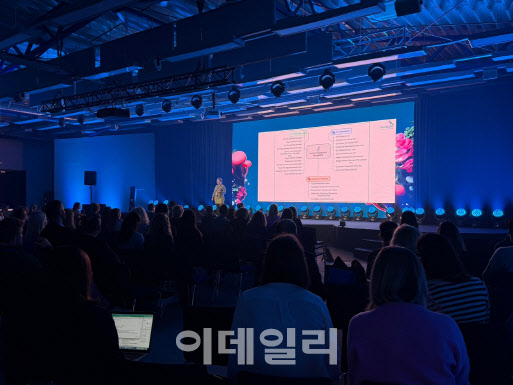
Claire Skentelbery, Director General of EuropaBio, said in the session titled “The EU Biotech Act -- leading Europe’s evolution and revolution for competitiveness,”that “Biotechnology is where Europe really has its biggest footprint to be a global leader, and the markets are built by the legislations we have. There are some gamechager legislations and strategies that are on the table right now that will set how attractive Europe is as market for medicines.”
|
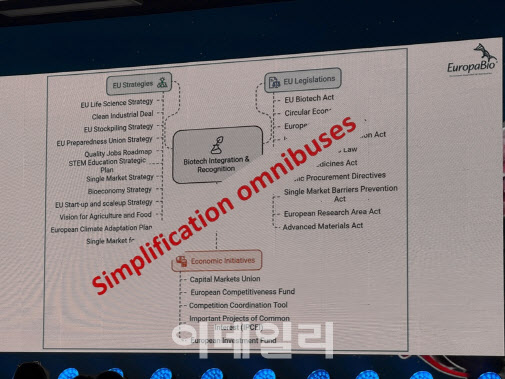
The fragmentation and incoherence of the 27 EU member states’ authorization process are another significant issue to be addressed by the EU BioTech Act, Skentelbery suggested.
“What we want to achieve in the BioTech Act is this: to straighten value chains right from R&D through to the commercialization stage and to simpify the regulatory pathways and show legislative coherence through member states,” Skentelbery said, adding, “From January to June 2027, Lithuania will hold presidency at the Council of European Union. Please make the most out of this amazing opportunity to state your priorities and achieve what you want.”
|

Thompson said, “For an investor the return on investment is calculated by patent life. A prolonged authorization process leads to loss in the number of years of market exclusivity. As it takes time to reach peak sales in Europe due to multiple countries with multiple approaches for market authorization, topped with complex reimbursement process, drugmakers are dissuaded from trying European market first.”
She continued, “Despite Europe being the second strongest market geographically, it is much more attractive to register a new medication in the U.S. than in the Europe. We live in a very complex environment here, where we do not facilitate a single market authorization. Our procedures lead to at least a six months’ delay compared to the system in the U.S.”
In resonpse to Edaily’s enquiry whether the streamlined authorization process will favorably impact foreign entities as well as the European players, Thompson said, “As long as the data is good, a medication that is better or cheaper would benefit Europe.”