South Korea‘s ruling party, the Democratic Party, plans to begin deliberations as early as next week on a government draft of a “Digital Asset Framework Act” that would include rules for stablecoins, setting up a clash with the central bank over who should control issuance.
|
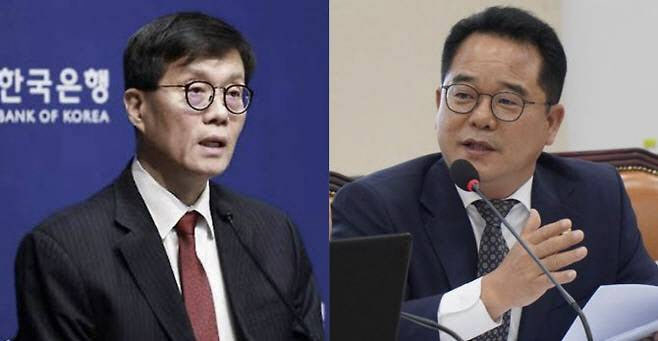
“There’s talk in some quarters about first allowing only bank-led consortiums — with banks holding 50% plus one share,” Min said. “That‘s out of the question.”
The Democratic Party had initially asked the government to submit the draft by Dec. 10, but disagreements among the Financial Services Commission, the Bank of Korea and other relevant agencies derailed that timetable, lawmakers said. The submission was later pushed back to Dec. 22, yet the government has still not sent the bill to parliament as of Jan. 5, according to the party.
The opposition party says it intends to debate the proposal in early January and move quickly to pass it in a plenary session. Whether the plan proceeds on schedule remains uncertain, however, as the central bank has stepped up objections.
At the center of the dispute is the Bank of Korea’s call for what it describes as a financial-stability safeguard: a requirement that banks hold more than “50% plus one share” of any consortium authorized to issue stablecoins — a policy critics have dubbed the “bank 51% rule.” The central bank has also argued for the creation of a unanimous-decision body that would include the Bank of Korea in the stablecoin licensing process.
Democratic Party officials reject the bank-dominance requirement, saying it would stifle innovation in digital finance. Min called the idea “a way of riding entrenched interests,” arguing that forcing the market to prove stability only through bank-led pilots would hold back the industry.
Concerns are shared by some market experts. Kim Kap-rae, a senior research fellow at the Korea Capital Market Institute, said a mandate requiring banks to hold at least 51% would effectively grant banks preferential rights and economic rents in the stablecoin market. “It‘s an extremely risky idea,” he said, adding that such an ownership rule is “unrealistic” and difficult to find in international practice.
The debate comes as South Korea accelerates work on a second phase of digital-asset legislation, with stablecoins emerging as one of the most contentious issues between policymakers seeking innovation and authorities focused on systemic risk.